Beekeeping & Local Terroirs

From apiaries to local terroirs—
: beekeeping guided by the blooming seasons and respect for all living things

For five generations, APIDIS has maintained a direct connection to beekeeping. This hands-on approach shapes our philosophy regarding honey: understanding bees, monitoring blooms, respecting natural rhythms, and selecting honeys that reflect their terroir.
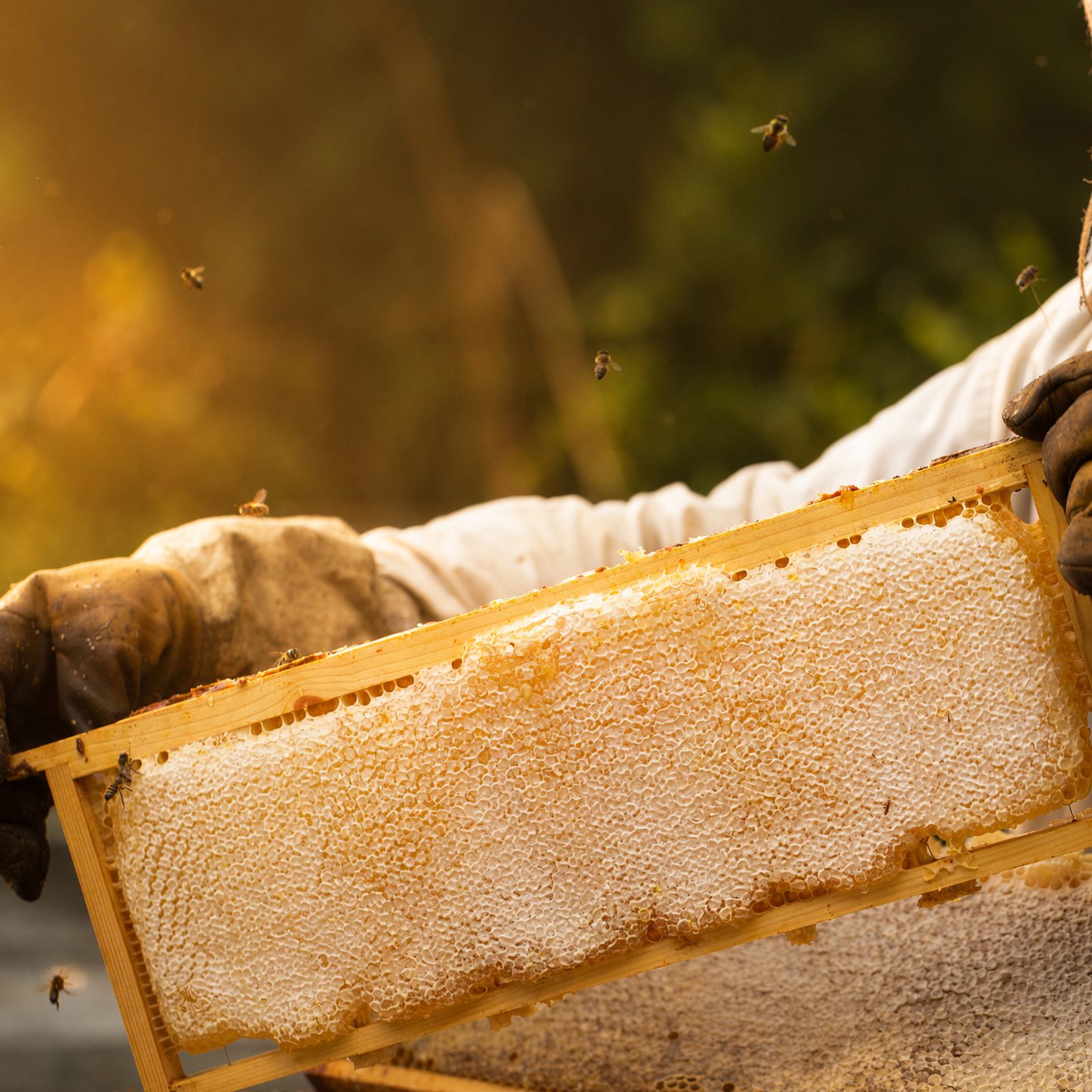
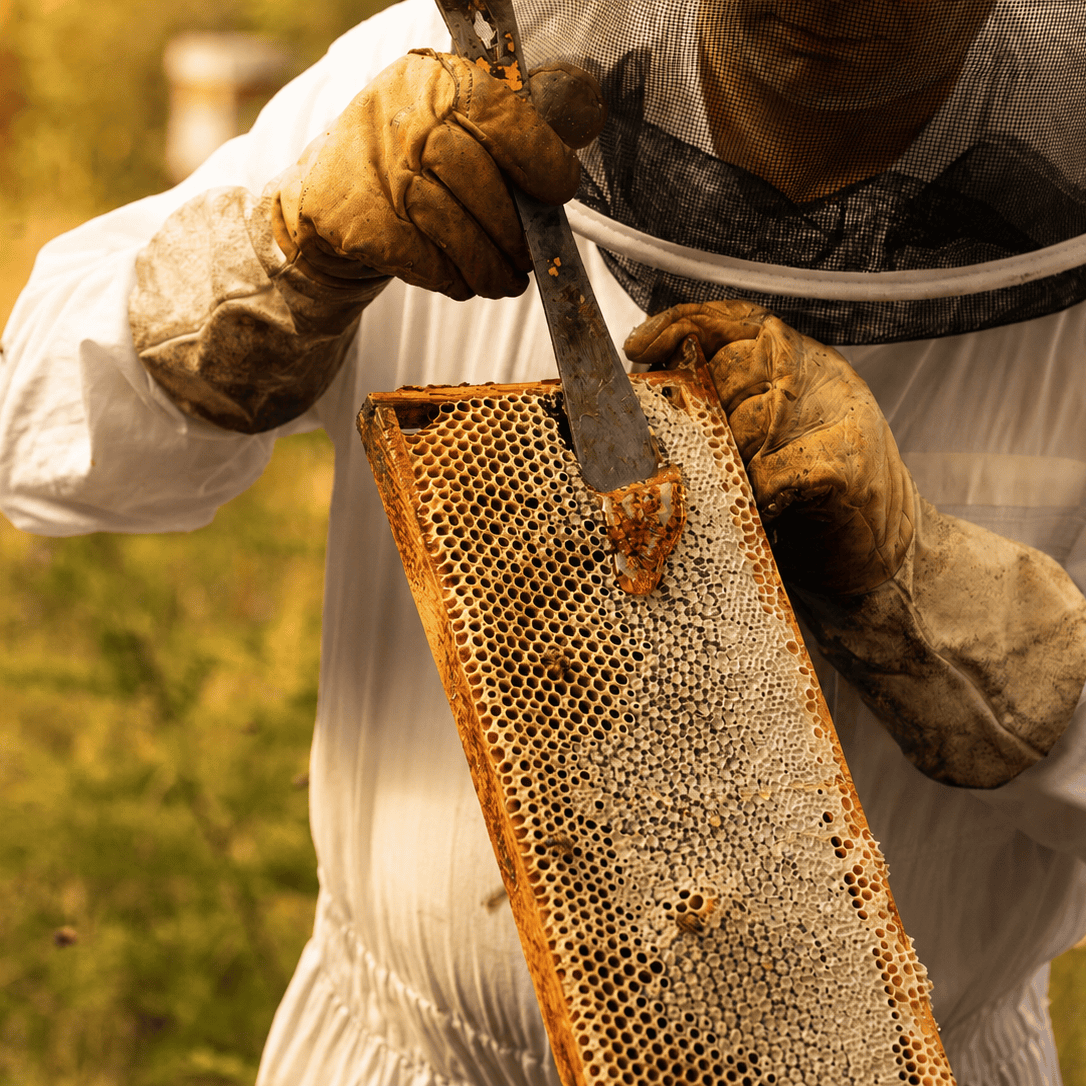
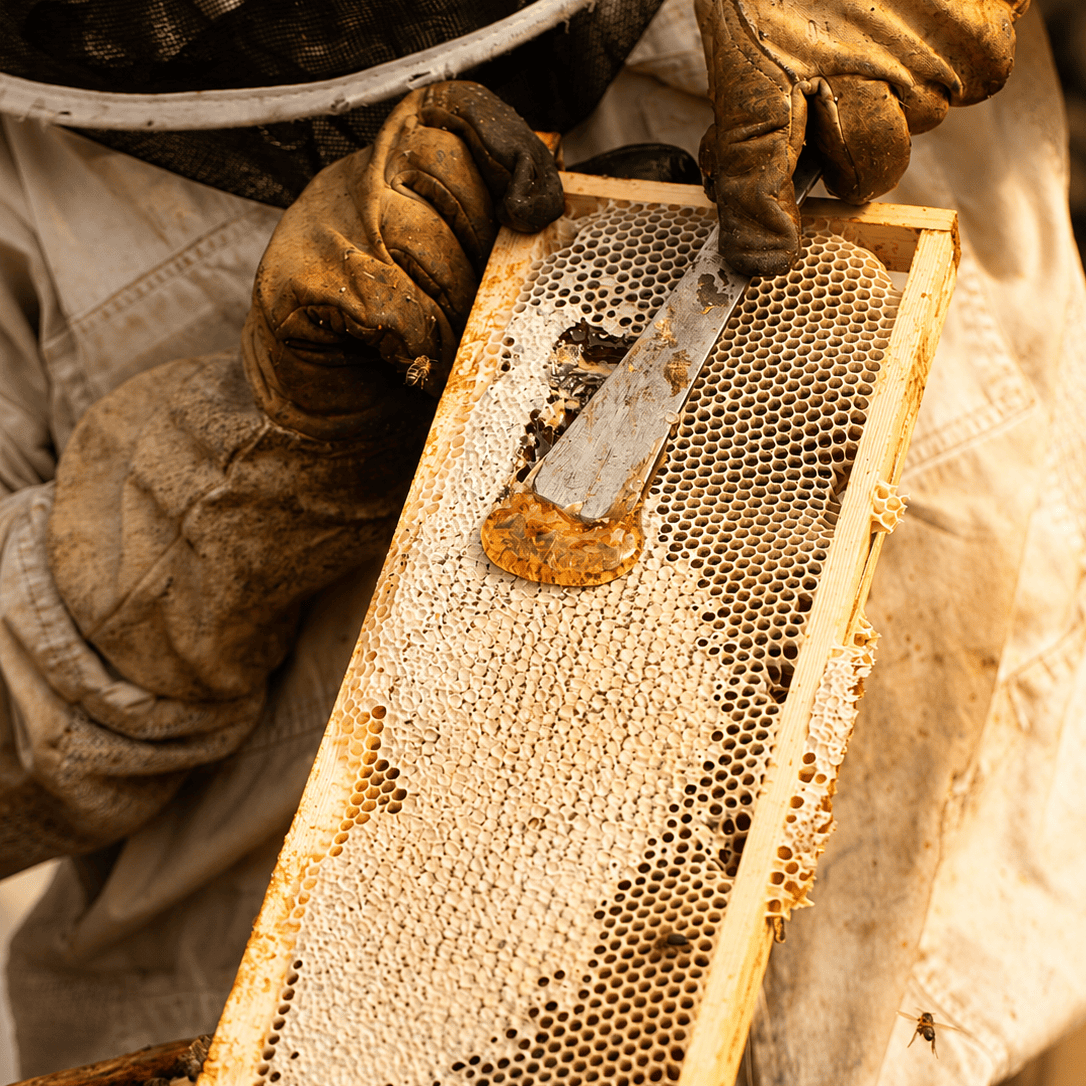
, sustainable, and pastoral
beekeeping

Our expertise is rooted in migratory beekeeping, sustainable practices, and a deep understanding of floral and geographic origins. This commitment allows us to offer premium honeys— mostly single-flower and single-origin—carefully selected to highlight the unique characteristics of each origin, terroir, and flavor profile, all packaged at our facility in Dijon.

Our Honeys from France

At "
," we live in tune with the bees

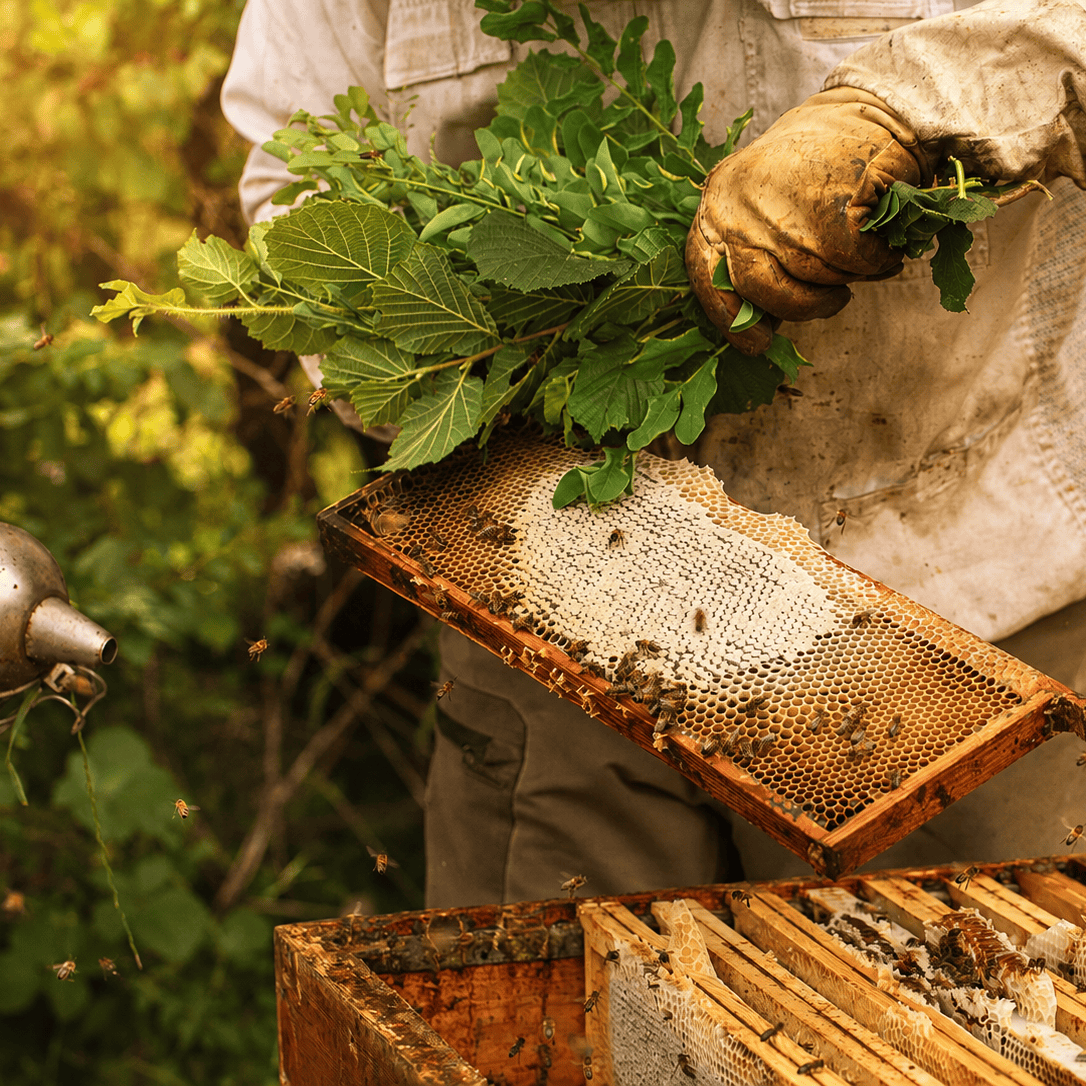
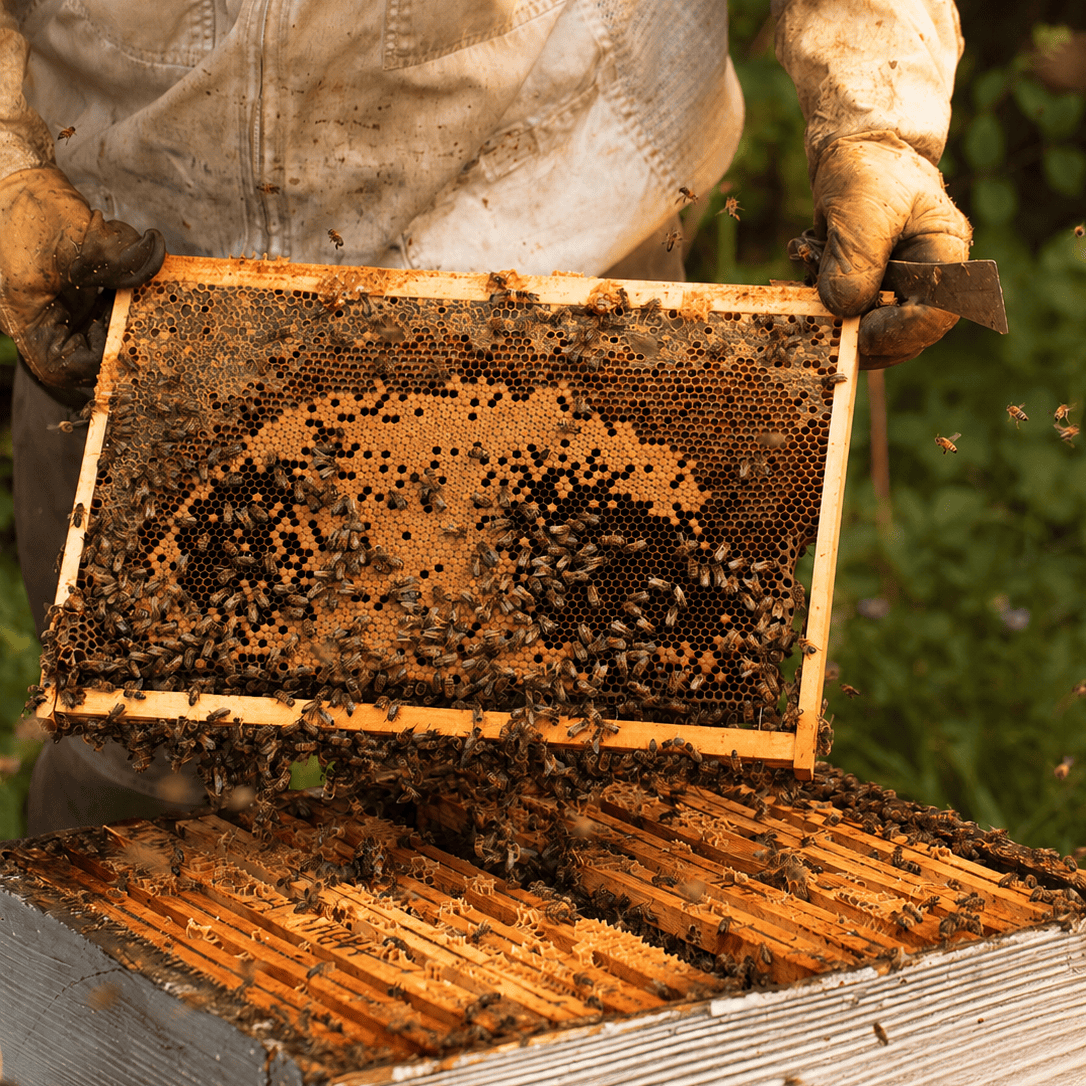
APIDIS practices migratory beekeeping, based on transhumance and the observation of flowering seasons. The hives are moved according to flowering periods to allow the bees to forage in different regions and produce honeys with distinct profiles.

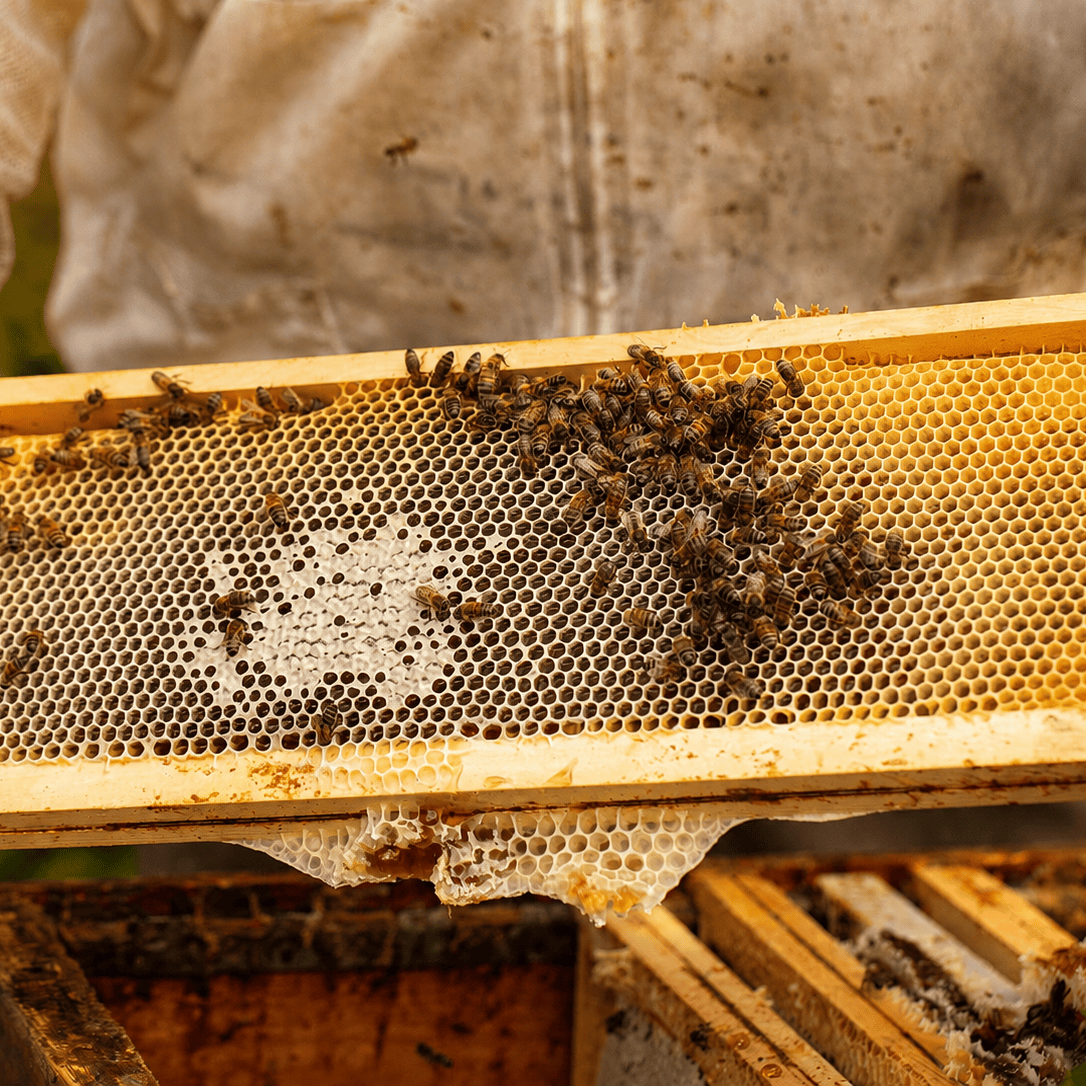
This approach requires precision, foresight, and respect for living things. The hives are moved at night, once the bees have returned to the hive, to minimize stress and ensure their well-being. Harvesting is done with care, respecting the bees, the apiaries, and the product—frame by frame and without the use of repellents.

Understanding the Seasons
, to Reveal the Terroirs

Not all flowers bloom at the same time or in the same areas. Following the rhythm of the seasons, APIDIS selects honeys with distinct profiles that reflect their floral origin and terroir. Harvests can vary by 2 to 4 weeks depending on the region and weather conditions.

Spring

(March–May)

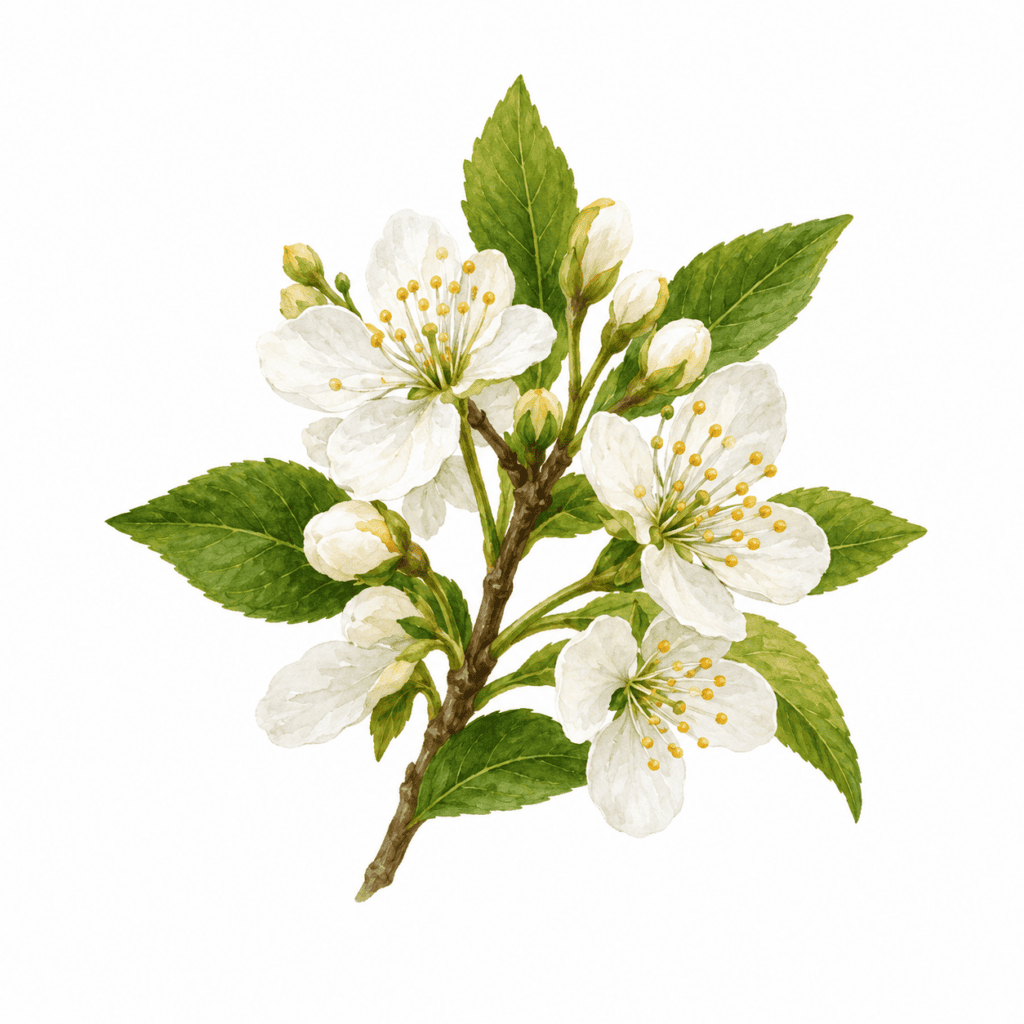
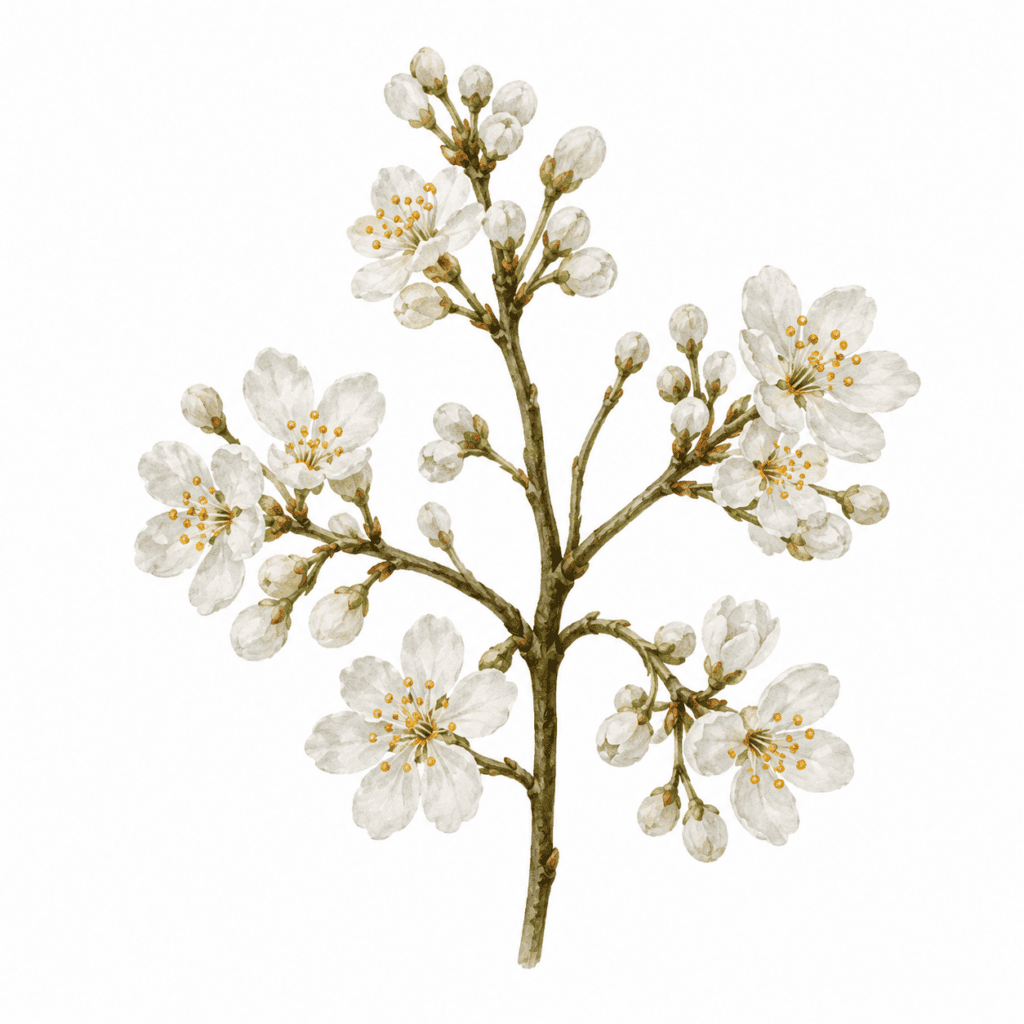
The first major blooms reignite the bees’ activity: fruit trees, rosemary, thyme, spring flowers, and then acacia in May.

Summer

(June–August)

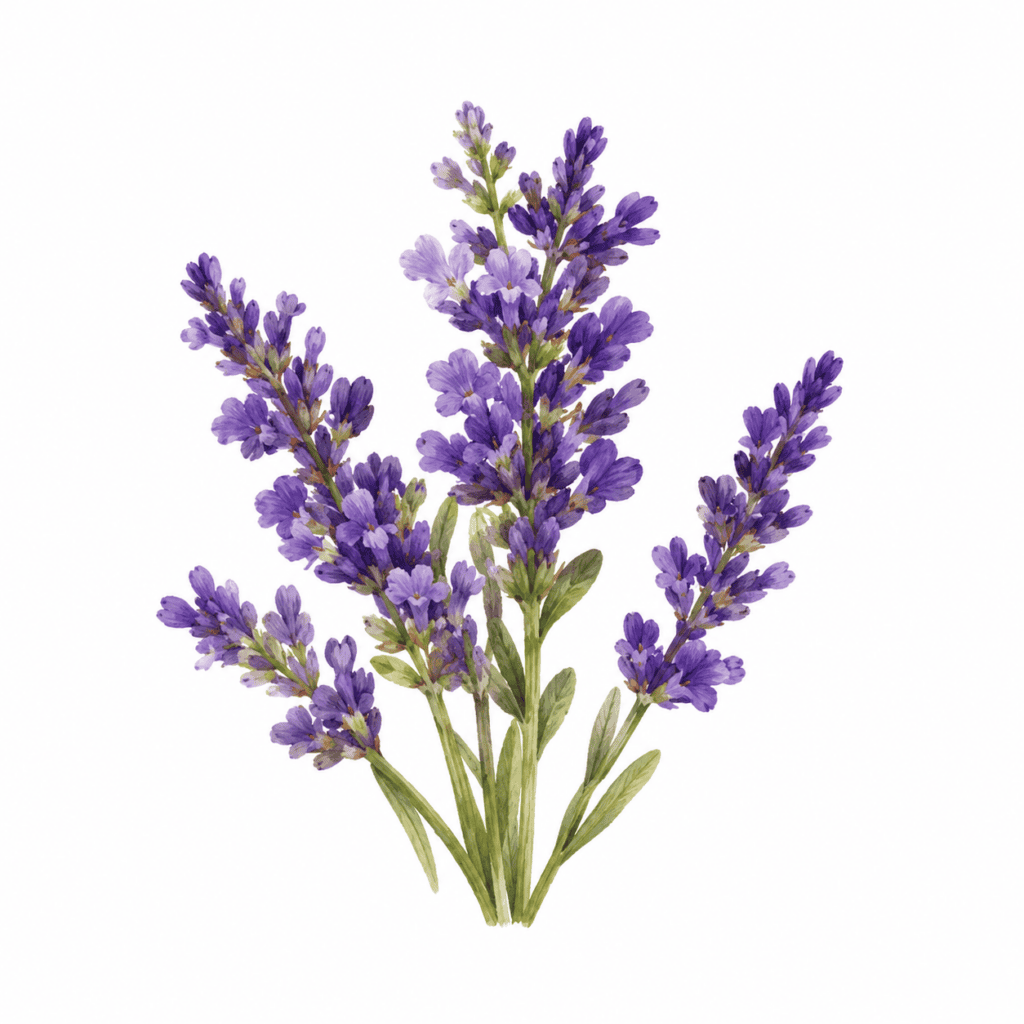
The season is in full swing with the major honey flows from lavender, linden, chestnut, mountain flowers, and wildflowers. This is the main harvesting period.

Fall

(Sept–Nov)

Bees are still taking advantage of late-blooming plants such as ivy and certain types of heather. Their activity then gradually decreases as winter approaches.

Winter

(Dec–Feb)

Blooms are very rare (almond trees, winter heather). The bees mostly stay in the hive and live off the reserves they built up during the season.

Single-flower honey

Single-flower honey comes primarily from a dominant bloom. APIDIS has made this its specialty to highlight identifiable origins, distinctive flavors, and consistent profiles.

Multifloral honey

A multifloral honey combines nectar from several different blooms within the same region. It offers a more well-rounded and varied flavor profile that reflects the natural diversity of a landscape and a bountiful season.
Survolez une région colorée pour découvrir ses miels ✳

Tap a region to discover its honeys

Apidis, a beekeeper who harvests honey

The Origins of Our Honeys

APIDIS’s apiaries and those of its beekeeping partners are located along a broad strip stretching from north of Dijon to the Mediterranean coast. This distribution allows the company to take advantage of complementary flowering seasons and harvest a variety of French honeys, depending on the season and weather conditions.

Partners & Commitments

Origins, expertise
, and commitments at the heart of honey


's expertise extends beyond our beehives

APIDIS works with partner beekeepers in France and around the world, selected for the quality and origin of their honeys. Each batch is evaluated based on its terroir, floral profile, and characteristics, then analyzed and inspected upon arrival in Dijon according to our quality standards.

These long-term partnerships are built on trust, transparency, and expertise in the field. They enrich our selection while expanding our own beekeeping expertise and exposing us to the diversity of other terroirs.

I am a beekeeper

Are you a beekeeper in the
area and interested in selling your honey?

Our teams evaluate each batch based on its origin, quality, floral profile, and compliance. Every partnership is built on trust, transparency, and a commitment to promoting beekeeping.

Bulk Honey Purchases • Fair Compensation • Secure Payment • Barrel Exchange • Logistical Support

Our honeys from around the world and beyond...

A variety of flavors,
, textures, and origins

To expand our range of flavors, we also select honeys from around the world. To produce 1 kg of honey, a bee must visit an average of 700,000 flowers. That is why this honey was not harvested in France, where there are not enough of these flowers.

These honeys meet the same standards for quality, traceability, and selection as our French honeys.

APIDIS' Commitments

We translate our beekeeping experience into concrete principles, applied from the hive all the way to the packaged honey, through five key pillars.

Quality

Honeys carefully selected to ensure quality, consistency, and authenticity.

Respect for Bees

An approach that is mindful and respectful of the colonies’ natural rhythms and their environment.

Diversity of Terroirs

From a variety of floral and geographic origins, both within France’s regions and internationally.

Loyalty

Long-lasting and transparent relationships with our beekeepers, based on respect for beekeeping.

Control

Strict controls to ensure the traceability, compliance, and safety of all our honeys.